







Search Results for: lid design

Guming’s release of a gaiwan-shaped takeaway cup sparked heated debate, with its brown lid and white straw said to resemble a toilet plunger.
Tea beverage brand Gu Ming recently launched a regional limited-edition new product, "Freshly Stewed Two Pears," made by stewing six ingredients including white fungus, fragrant pears, and red dates, with a focus on the concept of health and wellness, attracting many consumers to try it. However, what drew more attention than the drink itself was the gaiwan-style takeaway cup paired with the new product. Some customers posted on social media, pointing out that after the brown cup lid was inserted with a white straw, the overall appearance closely resembled a toilet plunger, triggering a large amount of onlookers and ridicule. Some netizens believed that the unreasonable color scheme and design were the main cause of the negative association, while others said that brands such as Nayuki had used similar cup shapes before without producing this impression. In addition, some consumers reported that they were unaware of the straw opening design on the cup lid, which caused inconvenience in use. Around this controversy, this article compiles feedback and discussion from various parties. [more…]
Tims' 60th anniversary limited edition ceramic mug gets criticized: recreates the paper cup seam design, silicone lid is hard to use and quality control is called poor
Tims, a Canadian coffee chain brand that has been in the Chinese market for five years, recently celebrated its 60th birthday. To mark the occasion, Tims launched a six-week promotion offering 9.9 yuan deals every week, along with a campaign where purchasing designated set meals would earn a limited-edition 60th-anniversary themed ceramic cup. Three simply designed cups attracted many fans to place orders in support. However, after receiving the actual products, some consumers discovered issues such as vertical protrusions on the cup body and silicone lids that were too tight to fit. Complaints flooded social media platforms. The official explanation stated that the protrusions were a deliberate design mimicking the seams of paper cups, but this clever idea did not gain widespread approval. Brand CEO Lu Yongchen once said the company would accelerate upgrades centered on user needs. Judging from the feedback on this anniversary gift, Tims still has room for improvement in peripheral product quality control and experience. [more…]
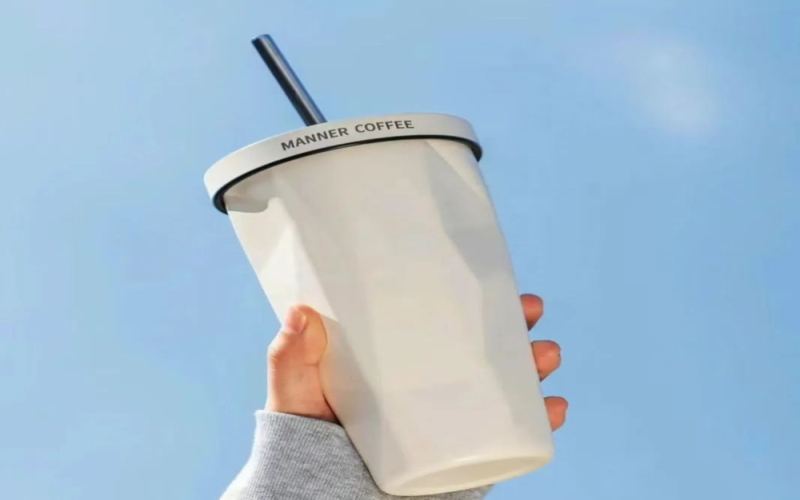
Manner's stainless steel straw cup adds a silver version, and within less than half a day of launch, it faced collective complaints about the lid's paint peeling off.
Manner has long been known for its "bring your own cup and get 5 yuan off" policy and for frequently giving away stylish cups. The stainless steel straw cup launched last November sparked controversy because it could only be obtained by purchasing a 75-yuan set meal. After more than half a year, the official announcement on the last day of August revealed an additional silver model, officially launching on September 2, with stock increased to 60,000, and the threshold relaxed to receiving one free with the purchase of two iced coffees through delivery channels. The high aesthetic appeal and low barrier made cup collectors eager, with many people preemptively monitoring mini-programs or delivery platforms for price changes, ready to order promptly and wait for delivery. However, less than 12 hours after the campaign launched, complaints began appearing on social media: after rinsing the new cup with clean water, paint peeled off the outer side of the lid, as if the silver coating had been scratched, instantly blemishing the originally striking new cup. Some netizens checked the packaging information and found that the cup body and straw are made of metal, while the lid is PP polypropylene plastic with an outer coating, which easily peels off when exposed to water or light scraping. [more…]
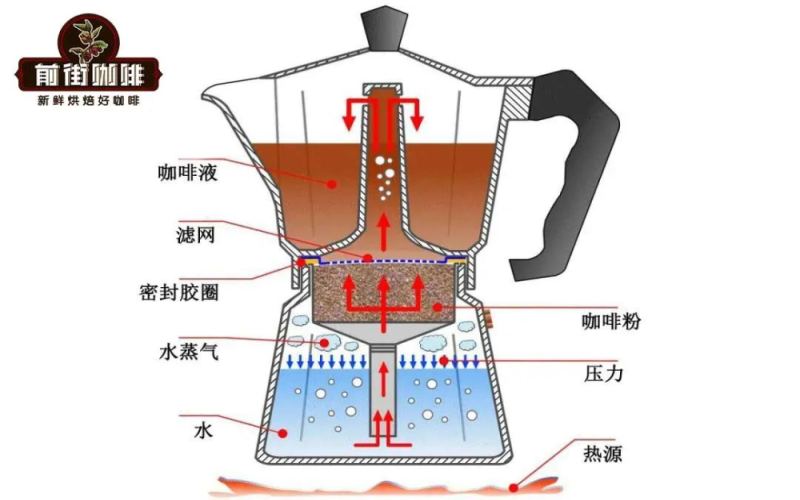
Moka Pot Tutorial | How to Use a Bialetti Moka Pot? How to Brew Delicious Coffee with a Moka Pot? Should You Brew with the Moka Pot Lid Open?
Introduction The moka pot was invented in 1933 by the Italian Alfonso Bialetti. It brews coffee by heating the base, is a type of percolator, and is the most affordable machine for making espresso; it is also commonly used in Italian households. How to make [more…]
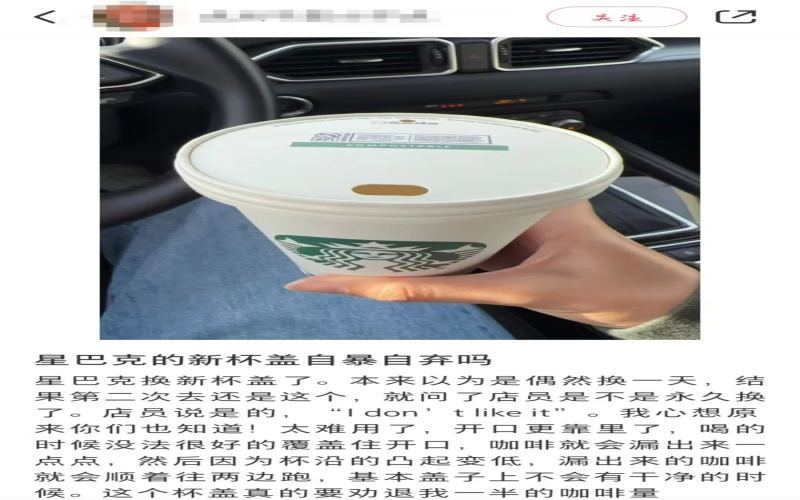
Starbucks' revised takeaway cup lid sparks debate: drinking spout moved inward, prone to leaks; cold drink cups also switching to paper lids
Recently, Starbucks quietly replaced the lids on hot beverage takeaway cups in some U.S. stores, sparking widespread discussion among consumers. The drinking opening on the new lid is positioned further inward, and the raised rim is lower, causing coffee to easily leak from the corners of the mouth when drinking, with many customers exclaiming that it is "too hard to use." At the same time, cold drink cups have also switched to white non-transparent domed paper lids and paper takeaway cups, making fans who are used to admiring the appearance of their drinks feel inconvenienced. Despite the continuous complaints, Starbucks has long been using paper tableware in France, Canada, Hong Kong and Macau, and other regions due to local environmental policies, and some customers have even switched to bringing their own cups as a result. Currently, there is no official conclusion on whether all U.S. stores will fully switch over, and there are no related plans for the mainland or Taiwan region for the time being. [more…]
Using a lid for true blooming? The principles, parameters, and complete practical breakdown of the Matsuya-style brewing method
Have you ever seen a brewing method that uses a lid to "steep" coffee? This is no joke—it's the "Matsuya-style brewing" that originated in Japan in 1962. It uses a pot lid to achieve true blooming, paired with ultra-high pouring and an ultra-concentrated coffee-to-water ratio, then restores the flavor through bypass dilution. The core pursuit of this method is "stability": allowing both freshly roasted beans and beans that have rested for a week to fully release their gases during the blooming stage, thereby avoiding extraction fluctuations caused by differences in degassing. This article will provide a complete breakdown of Matsuya-style brewing, from its invention background and design logic to specific parameters, and using dark-roasted Sumatra·Golden Mandheling as an example, present Front Street Coffee's hands-on steps and tasting notes, taking you to experience the unique charm of this classic Japanese brewing method. [more…]
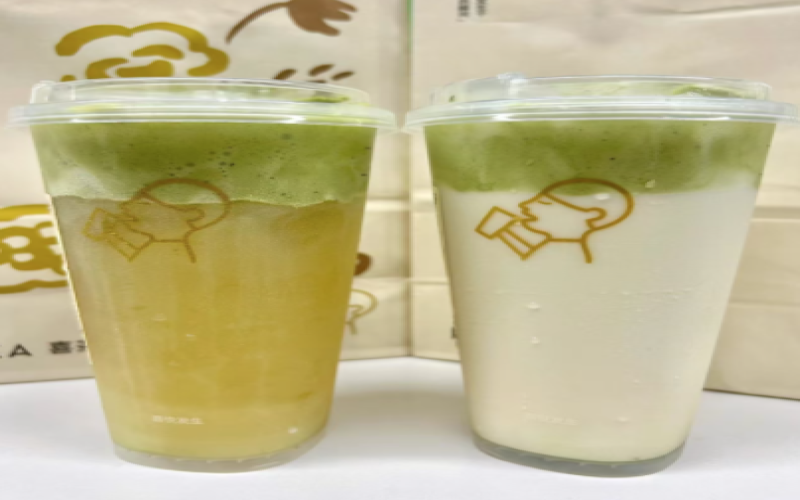
HEYTEA's Matcha Series Makes a Refreshing Comeback: Thousand-Mesh Matcha and the 45-Degree Tasting Method Lead a New Trend in Tea Drinks
Matcha, a tea beverage originating from the Tang and Song dynasties, is once again gaining popularity among young people. The new tea beverage brand Heytea recently announced its return to the matcha product line, launching two new products, "Marlmoli" and "Rich Matcha Green Beauty," featuring custom thousand-mesh matcha and a rotating cup lid design, and specifically recommends that consumers drink it at a 45-degree angle. This article introduces the features, pricing, and consumer feedback of Heytea's new matcha products, as well as the craft knowledge behind matcha powder mesh counts. At the same time, Front Street Coffee, a brand familiar to coffee enthusiasts, will also interpret the matcha trend for you from a professional perspective. [more…]
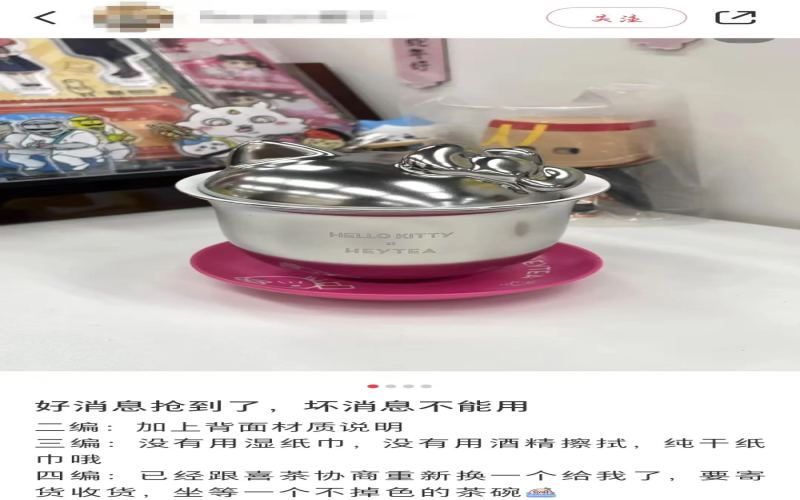
HEYTEA's co-branded tea bowl alleged to have its silver coating wiped off; brand has not responded, and quality remains hard to guarantee even after exchanges
The limited-edition silver tea bowl jointly launched by Heytea and Hello Kitty quickly went viral on social platforms thanks to its appealing appearance and scarcity. However, some consumers who managed to get one discovered that when they wiped the outer shell of the tea bowl with a dry tissue, silver coating came off onto the tissue, sparking concerns about product quality. After the incident gained traction, netizens discussed issues such as whether the electroplating process is safe and whether the design of the tea bowl lid is reasonable. Heytea has not yet made a public response, and only arranged a replacement for the customer involved through negotiation, but customer service admitted it could not guarantee whether the new bowl would still fade. [more…]

Moka Pot Usage and Tips | Is Your Moka Pot Coffee Always Bitter and Burnt? Recommended Affordable, Great-Tasting, Non-Bitter Coffee Beans Worth Buying for Moka Pot Enthusiasts
As a recognized high-value home coffee gadget, the moka pot is actually far less complicated to use than you might imagine. There's no need to be bound by too many precise data and parameters; as long as you grasp the following key points, the rest can be freely adjusted to your taste preferences, letting you easily brew a delicious cup of coffee. No. [more…]
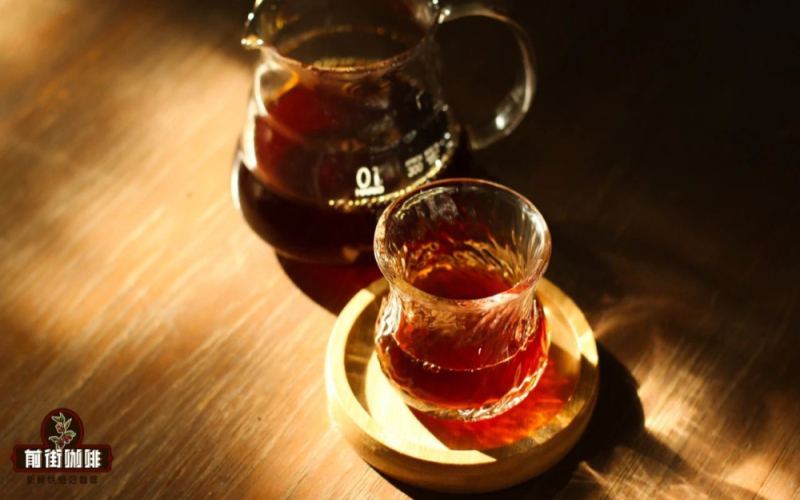
A Beginner's Guide to Pour-Over Coffee: Equipment Recommendations, Brewing Step-by-Step Guide, and Cost-Effective Everyday Beans
The appeal of pour-over coffee lies in the fact that everyone can brew a flavor that is uniquely their own. This article is aimed at home enthusiasts and small coffee shops, and provides a systematic overview of all the equipment needed to get started with pour-over—from gooseneck kettles, drippers, and grinders to filter papers, digital scales, thermometers, and carafes—offering an analysis of the pros and cons of specific brand models along with purchasing advice, and including a complete eight-step brewing tutorial. Finally, it recommends several highly cost-effective Front Street single-origin coffee beans, at a cost of only about six yuan per cup, making them ideal for daily practice and home enjoyment. [more…]
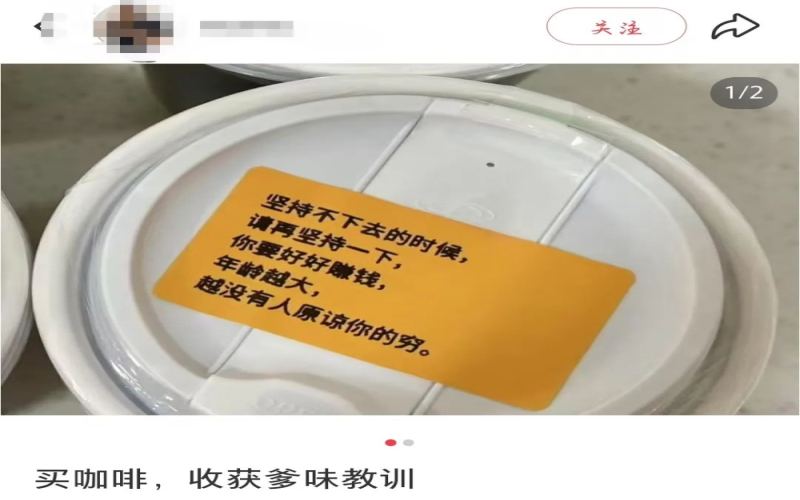
Coffee cups plastered with "condescending dad quotes" spark controversy: where is the line for messages on delivery packaging?
Buying coffee as a gift is supposed to be a classy gesture, but when the recipient discovers a yellow sticker plastered on the cup lid bearing an internet "toxic chicken soup" quote, the situation instantly turns awkward. Recently, a customer complained on social media about an embarrassing experience after ordering takeout coffee: all four drink lids had preachy quote stickers attached, leaving both the giver and the receiver uncomfortable. The incident quickly sparked heated discussion online, with some sympathizing with the poster's anger and others feeling the merchant simply tried too hard. What should and shouldn't be written on a tiny sticker on a coffee cup has become a question worth pondering for coffee industry professionals. [more…]

The Art of Detail in Coffee Takeout Packaging: The Complete Design Logic from Leak-Proof Venting to Heat-Preserving Compartmentalization
Takeout coffee has become an important part of daily consumption. From the moment a store hands off an order to the moment a rider delivers it, packaging design directly determines whether the cup of coffee the customer receives is intact, whether the temperature is right, and whether the taste is as good as it was fresh. Behind a cup of takeout coffee lies a series of detailed considerations: vent holes, leak-proof paper, foil insulation, separate packing and bagging, and even rain bags and custom packing boxes. These seemingly inconspicuous packaging steps not only affect order efficiency and the consumer experience, but also serve to spread word of mouth for the brand. This article will break down, one by one, the often-overlooked tricks of the trade in coffee takeout packaging, and look at how merchants strike a balance between preventing spills, keeping coffee warm, and preserving taste. [more…]
An Analysis of the Mechanism, Timing, and Practical Key Points of the Bloom in Pour-Over Coffee
Blooming is a frequently mentioned yet easily misunderstood step in coffee extraction. Starting with the pre-infusion design of segmented water-feed coffee machines, this article explains the principle by which blooming enhances extraction and locks in aroma, while pointing out that manually imitating blooming on household machines without a segmented function actually causes a loss of the essence. The article further introduces blooming methods for various devices such as pour-over, American drip, Belgian Royal brewer, and siphon, and, drawing on experience supplying meals to cafés, explains the changes in coffee aroma and smoothness after blooming, for the reference of coffee enthusiasts. [more…]
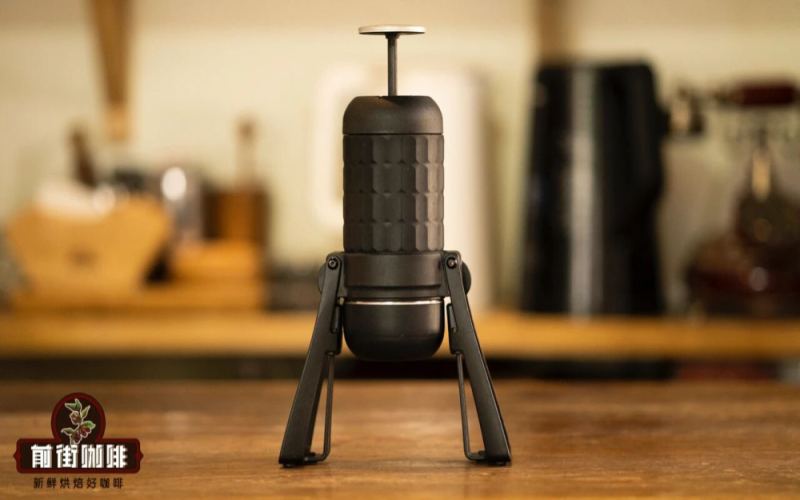
Guide to Extracting Espresso with a Manual Portable Espresso Maker: Suitable Bean Selection and Complete Operating Steps
The hand-press portable espresso machine, with its space-saving advantage, has become the top choice for many coffee lovers on the go. Combining a pump lid, hot water tank, and portafilter bottom lid, it can hold 18–22g of coffee grounds, be filled with 120–180ml of 94°C hot water, and freely adjust pressure within the 15–20bar range via a pressure regulating valve. This article starts with recommended bean varieties, detailing the flavor profiles of three beans: Front Street Classic Blend, Front Street Commercial Blend, and Front Street Strawberry Candy Espresso, then demonstrates step by step the complete process from loading grounds, adding water, to pressing and extracting, and finally uses 40ml of espresso with 200ml of hot milk to make a latte, testing the smoothness of the crema. [more…]
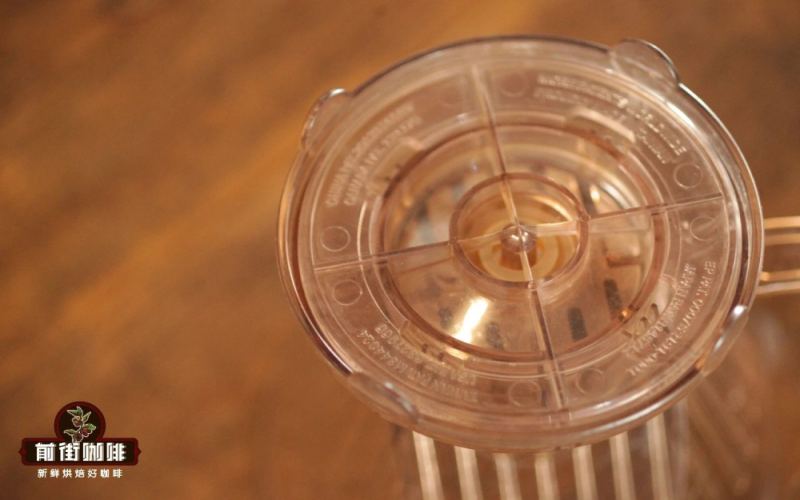
Clever Cup Brewing Guide: From Principles to Practical Steps, Master Stable Pour-Over Techniques
As a member of the pour-over dripper family, the Clever Cup is highly recognized in international competitions for its simple operation and stable performance, and has become the preferred brewing device for many specialty coffee shops. For beginners new to pour-over, the Clever Cup requires almost no complex flow-control skills—just master the three variables of grind size, water temperature, and time, and you can easily recreate a good cup of coffee at home. This article will explain in detail the working principle of the Clever Cup, and using 15g of coffee, a 1:15 coffee-to-water ratio, and a water temperature of 93°C, paired with Front Street Coffee Yirgacheffe Natural Red Cherry, it will fully demonstrate the ten operating steps from folding the filter paper to cleaning, helping you consistently produce a cup of coffee with a clean flavor and distinct layers in the office or at home. [more…]
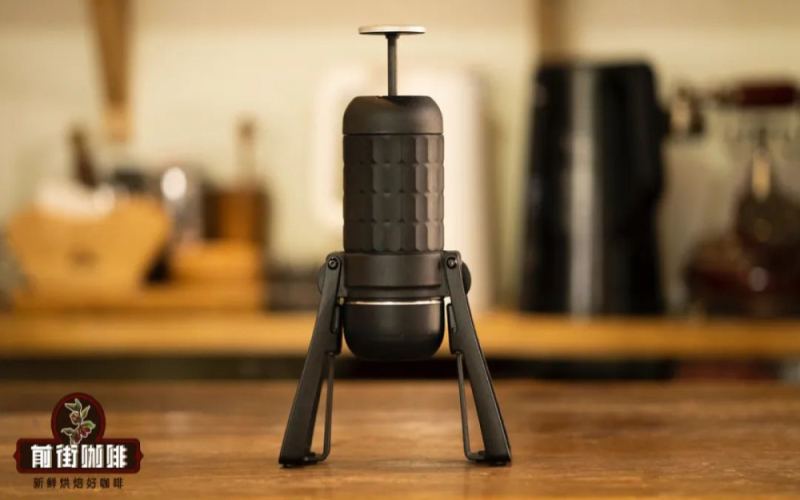
Can manual pressure replace electric extraction for espresso? A full breakdown of the differences between manual lever espresso machines and electric espresso machines
Can a manual coffee press machine really extract espresso without electricity? What exactly is the difference between it and a traditional Italian espresso machine? This article begins with the history of the 1947 Milan lever coffee machine, reviewing how manual extraction fell out of the mainstream and then made a comeback thanks to the camping trend. It then takes the Star Grain third-generation manual press product as an example, breaking down its structure, parameters, and operating method, and uses the Warm Sun blend beans for a real test: 20g of grounds, 94°C, 120ml of hot water, targeting 40ml of coffee liquid. Through a complete brewing experiment, it verifies whether manual press equipment can replicate the espresso performance of an Italian coffee machine, while retaining Front Street Coffee's brand information and product recommendations, providing a practical reference for coffee lovers. [more…]
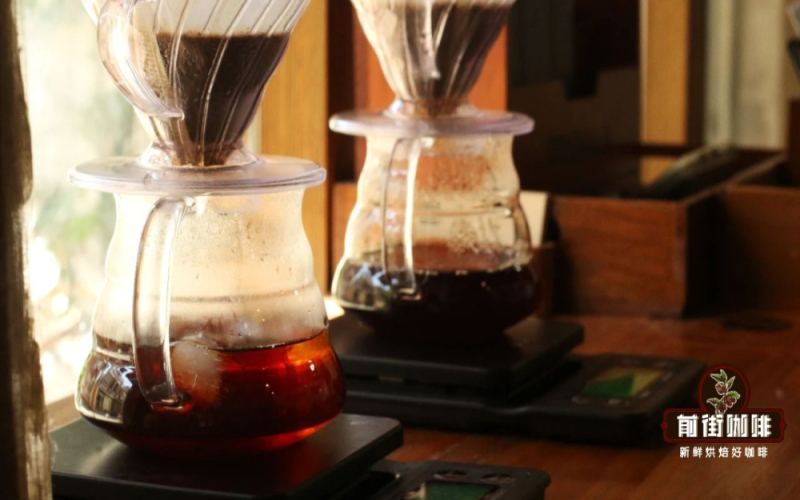
Pour-Over Kettle Buying Guide: Pouring Differences Between Kettle Types and an Analysis of the Pros and Cons of Regular Kettles
Faced with the dazzling array of coffee equipment on e-commerce platforms, many enthusiasts feel at a loss where to begin. Take the pour-over coffee kettle as an example: although the basic construction includes a spout, body, handle, and lid, subtle differences in shape directly affect water flow control and extraction performance. This article starts from the structural design of the kettle, analyzes the pouring characteristics of different pour-over kettles, compares the pros and cons of pour-over kettles versus ordinary water kettles, and, with practical recommendations from Front Street Coffee, helps you make a clearer judgment when shopping. [more…]
The Complete Guide to Buying a Pour-Over Kettle: Temperature Control, Spout, Body, Material, and Price Explained in One Go
Faced with the dazzling array of pour-over kettles on e-commerce platforms, many coffee enthusiasts often don't know where to start. Although pour-over kettles are basically composed of a spout, body, handle, and lid, different shapes directly affect pouring performance. Front Street Coffee will systematically sort out the selection approach for pour-over kettles from dimensions such as temperature-controlled vs. non-temperature-controlled, spout type, body capacity and center of gravity, handle feel, material, and price. The article will also introduce the pouring characteristics and representative products of different spouts such as narrow gooseneck, wide gooseneck, crane-neck, flat spout, and eagle spout, helping you find the one that better suits you between budget and needs. [more…]
A Comparative Test of Six Popular Manual Coffee Grinders: Pros, Cons, and a 2022 Pour-Over Buying Guide
Hand grinders have become the top choice for many coffee enthusiasts getting started, thanks to their portability, affordable price, and the sense of involvement they bring during brewing. But with so many models on the market, how do you choose? This article tests six popular hand grinders—including the Hario Skerton, Mini Mill, Acrylic, and Canister, as well as the OE Lido 2 and Porlex JP-30—analyzing each one in terms of practicality, design, and grinding performance. The article also mentions related recommendations from the Front Street Coffee brand and compares the trade-offs with electric grinders. Whether you're carrying one for travel or upgrading your home setup, you'll be able to find an option that suits you. [more…]
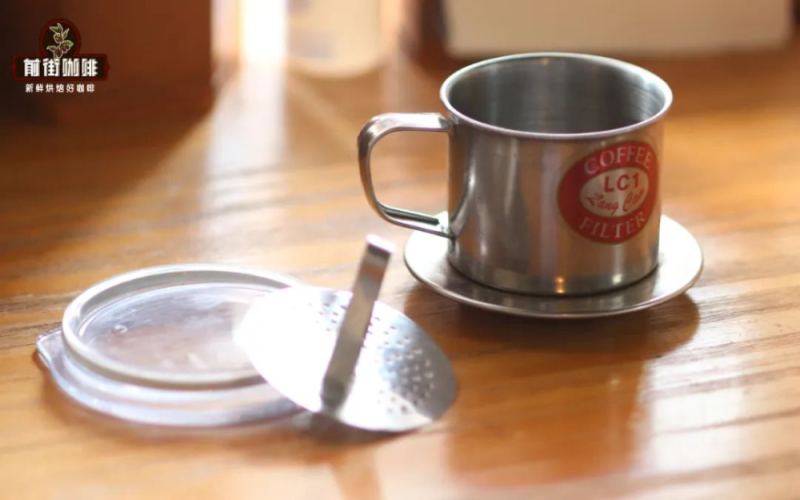
How to Use a Vietnamese Phin Filter? A Complete Practical Guide from Condensed Milk Coffee to Light-Roast Pour-Over
The Vietnamese drip filter has a simple structure and an affordable price, making it a practical choice for many coffee enthusiasts just starting out. After repeated testing with it, Front Street Coffee found that as long as you get the grind size, water temperature, and coffee-to-water ratio right, this device—which seems suited only to strong, bitter Robusta—can also brew light-roast beans with floral and fruity acidity into a tasty cup, and can even make a decent latte. This article starts with the device's structure and extraction principles, then moves on to specific parameters for black coffee and iced lattes, taking you step by step through mastering the Vietnamese filter. [more…]